Bathroom Renovation Tips: 10 Things to Know Before You Start
Introduction
Bathroom work is messier and trickier than most people expect going in. I’ve picked up a lot of bathroom renovation tips over the years, mostly by watching what goes wrong when homeowners skip planning. It’s a small space, sure, but it involves plumbing, waterproofing, electrical, and tiling all at once. Get the sequence wrong, and you’ll be redoing work you already paid for.
Tip 1 — Waterproofing Comes First, Always
Skip this step and you’ll regret it within a year. Seepage into adjoining rooms is one of the most common (and expensive) renovation complaints.
Quick answer: Proper waterproofing before tiling is the single most important bathroom renovation step — skipping it leads to seepage issues that cost far more to fix later than doing it right the first time.
Related home guide: Kitchen Renovation Cost Guide: What to Expect in 2026 →
Tip 2 — Plan the Layout Before Buying Anything
Decide where the WC, basin, and shower go before you order tiles or fittings. Changing your mind mid-project means wasted material and labor.
Tip 3 — Don’t Underestimate Ventilation
A bathroom without proper exhaust ventilation stays damp, and damp bathrooms smell and grow mold fast. It’s a small addition that pays off constantly.
Tip 4 — Choose Anti-Skid Tiles for Flooring
This sounds obvious, but I’ve seen homeowners pick glossy tiles purely for looks, then deal with a genuinely dangerous slippery floor. Anti-skid isn’t optional in a wet area.
Tip 5 — Budget for Fittings Separately
Taps, showerheads, and flush systems can quietly cost as much as the tiling itself if you go for branded fittings. Set a separate line item for this.
Quick answer: Fittings and fixtures — taps, showerheads, flush systems — typically account for 20-25% of total bathroom renovation cost, so budget for them as a separate category, not an afterthought.
Tip 6 — Get the Right Contractor, Not Just the Cheapest
Bathroom work needs specific expertise — plumbing and waterproofing mistakes are expensive to fix after tiling is done. Ask for references from past bathroom-specific jobs, not general renovation work.
Tip 7 — Consider a False Ceiling for Pipe Concealment
Exposed pipes look unfinished. A basic PVC false ceiling hides plumbing lines and adds a cleaner look for a relatively small cost.
Tip 8 — Storage Matters More Than You Think
A recessed cabinet or wall niche costs little extra during construction but is a nightmare to add later. Plan storage into the initial design.
Tip 9 — Natural Light and Exhaust Fans Together
If your bathroom has a window, don’t rely on it alone for ventilation — pair it with an exhaust fan for consistently better air circulation.
Tip 10 — Set Aside a Contingency Budget
Plumbing renovations often reveal old, corroded pipes once walls are opened. Keep 10-15% extra budget aside for these surprises.
[link to related guide about kitchen renovation cost here]
FAQ
Q: How long does a typical bathroom renovation take? Usually 2-3 weeks for a standard-sized bathroom, assuming no major structural work.
Q: What’s the average bathroom renovation cost in 2026? Anywhere from ₹80,000 for basic work to ₹3-4 lakh for a premium renovation.
Q: Can I use the bathroom during renovation? If it’s your only bathroom, plan around a temporary alternative — most renovations require full access.
Q: Is it worth changing bathroom layout during renovation? Only if the current layout genuinely doesn’t work — layout changes significantly increase both cost and time.
Q: What tiles are best for small bathrooms? Lighter shades and larger format tiles make small bathrooms feel more spacious.
Conclusion
Good bathroom renovation work comes down to sequence and planning, not just picking nice tiles. Waterproof first, plan the layout early, and keep a contingency budget ready for surprises behind the walls. Do this right, and your bathroom should easily last 10-15 years without major issues.
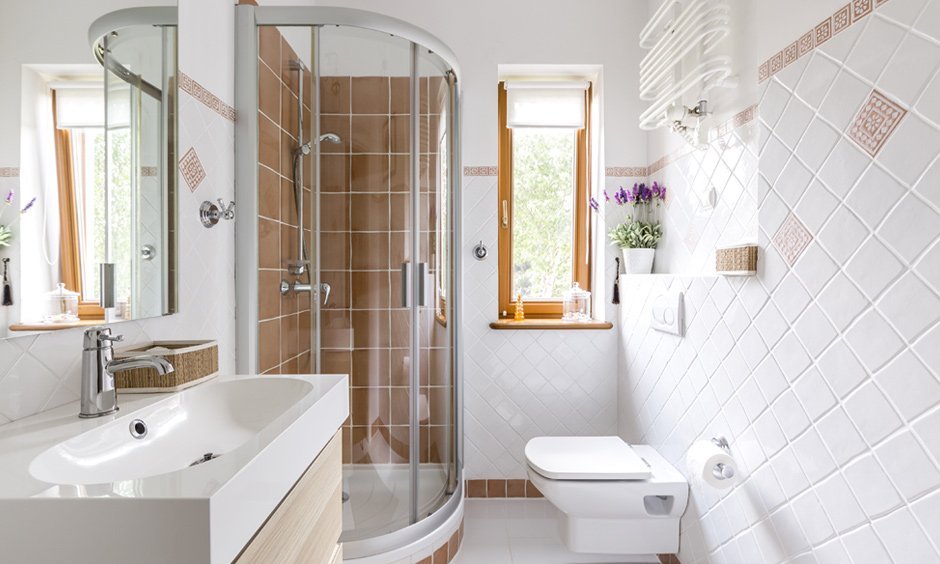
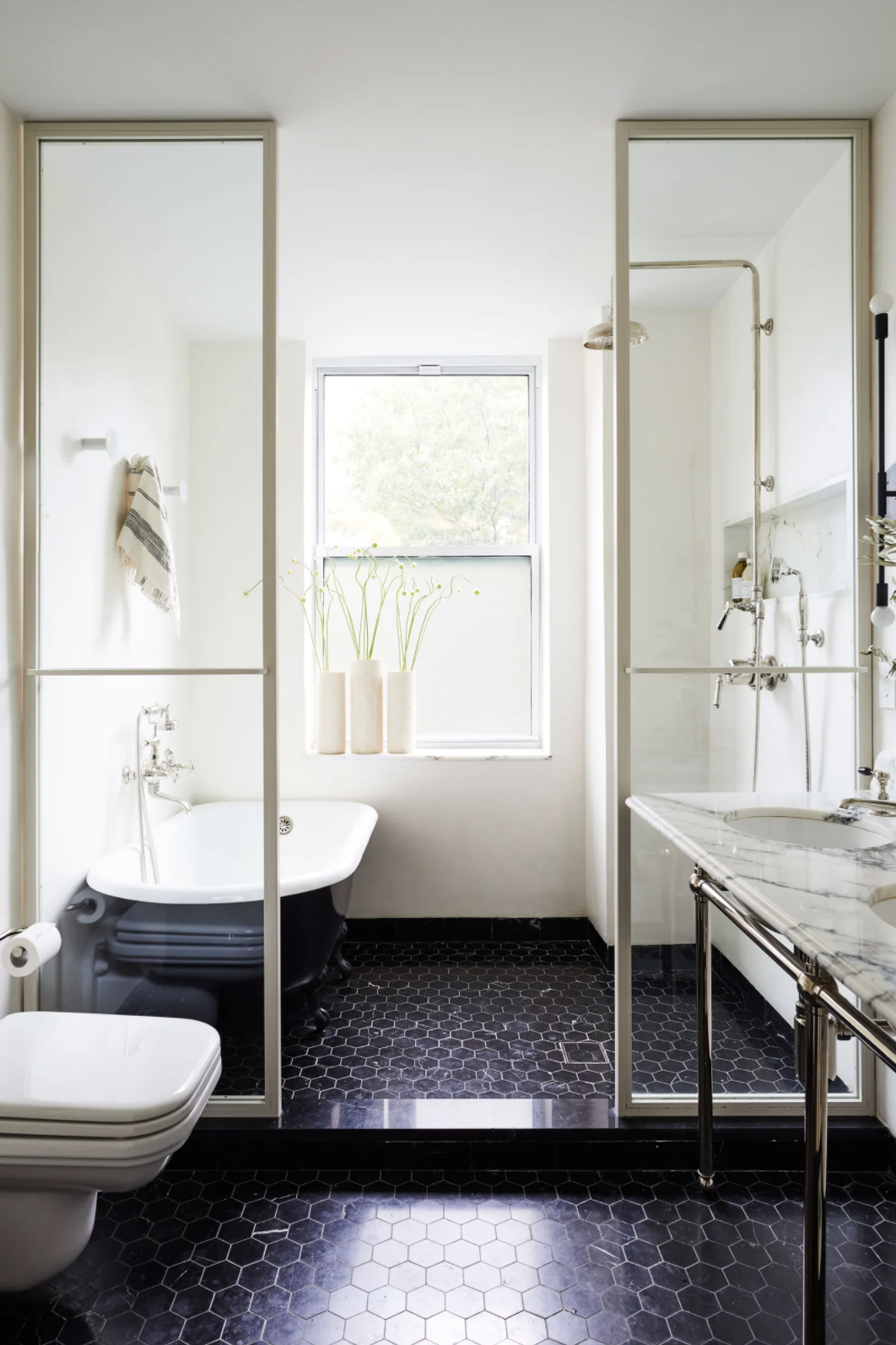
Suggested alt text: “Renovated bathroom with anti-skid tiles and modern fittings”
Explore more: Home Improvement · Renovations · Maintenance · Plumbing · Decorating ·