Introduction
Exterior paint isn’t just about color choice — it has to survive sun, rain, humidity, and temperature swings for years without peeling or fading. Picking the best exterior paint for climate conditions specific to your region can be the difference between a paint job that lasts a decade and one that needs redoing in three years.
Hot, Sunny Climates
In regions with intense sun exposure, UV-resistant paint formulas matter enormously. Standard paint fades and chalks faster under constant heat, so it’s worth paying extra for a quality UV-stable formula.
Quick answer: the best exterior paint for climate conditions depends on regional weather — choose UV-resistant formulas for hot regions, mold-resistant paint for humid areas, and flexible acrylic for climates with big temperature swings.
- Light colors reflect heat better and reduce surface temperature
- Acrylic latex paints generally hold up better than oil-based in heat
- Reapplication may be needed sooner in extremely sunny regions
Humid and Rainy Climates
Picture a home in a coastal or monsoon-heavy region — humidity creates ideal conditions for mold and mildew to form under paint that isn’t rated for moisture resistance. This is a genuinely common issue I’ve seen homeowners underestimate.
- Choose paint labeled specifically as mold and mildew resistant
- Ensure proper surface prep and drying time before application
- Consider a moisture-resistant primer as an extra layer of protection
Cold and Freeze-Thaw Climates
In areas with harsh winters, paint needs enough flexibility to expand and contract with temperature swings without cracking. Rigid, lower-quality paints tend to crack in freeze-thaw cycles far faster than flexible acrylic formulas.
Coastal and Salt-Air Regions
Salt air is brutal on exterior surfaces. Homes near the coast need paint specifically formulated to resist corrosion and salt damage, along with more frequent touch-ups compared to inland homes.
[link to related guide about signs your roof needs repair here]
Dry, Dusty Climates
In arid regions, paint faces different challenges — less moisture damage, but more UV exposure and dust accumulation. A durable, easy-to-clean finish matters more here than mold resistance.
Matching Paint Sheen to Climate
Sheen level affects durability just as much as the paint formula itself. Higher-gloss finishes tend to resist dirt and moisture better, making them a smart choice in humid or rainy regions, while flatter finishes can hide surface imperfections in dry climates.
- Satin or semi-gloss: better for humid, rainy areas
- Flat or matte: works well in dry climates, hides texture flaws
- Gloss: most durable but shows surface imperfections more clearly
[link to related guide about roofing materials comparison here]
Prep Work Matters as Much as the Paint
No paint, regardless of quality, performs well over poor surface prep. Cleaning, sanding, and priming based on your specific climate conditions genuinely determines how long the paint job lasts, sometimes more than the paint brand itself.
FAQ
Q: What exterior paint lasts longest in hot climates? High-quality acrylic latex paint with UV-resistant additives typically performs best in hot, sunny regions.
Q: How often should exterior paint be redone in humid climates? Generally every 5-7 years, though mold-resistant formulas can extend that timeline.
Q: Does paint color affect how long exterior paint lasts? Yes, darker colors absorb more heat and can fade or degrade faster than lighter shades.
Q: Is oil-based or acrylic paint better for exterior use? Acrylic latex is generally preferred today for its flexibility and resistance to cracking across most climates.
Q: What’s the best paint finish for coastal homes? Satin or semi-gloss finishes tend to hold up better against salt air and moisture than flat finishes.
Conclusion
Choosing the best exterior paint for climate conditions in your specific area protects your investment and saves you from repainting more often than necessary. Match the formula, sheen, and color to your region’s weather patterns, and don’t skip proper surface prep. A little extra research before you buy the paint can add years to how long the job actually lasts.
Suggested image alt text:
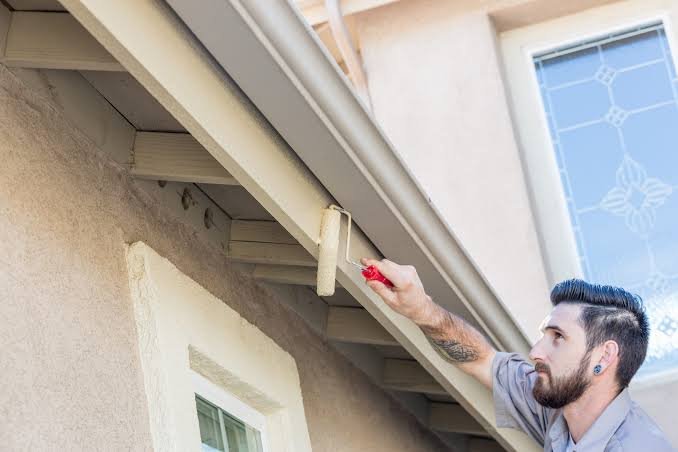
- “exterior house paint resisting sun and heat”
- “painter applying mold resistant exterior paint in humid climate”
- “coastal home with salt resistant exterior paint finish”