Shopping for the best smart home security systems used to mean picking between a handful of clunky, overpriced options. That’s changed a lot, and honestly, 2026’s lineup has some genuinely good, affordable choices.
Here’s what’s worth your money and what’s just marketing noise.
What Makes a System “Smart” in the First Place
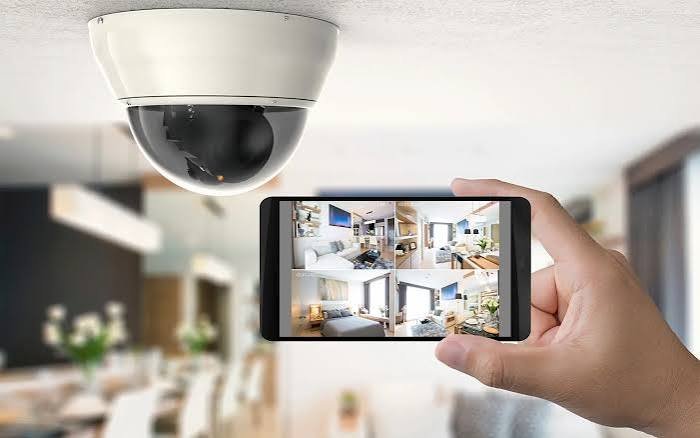
Quick answer: A smart home security system typically combines app-controlled cameras, motion sensors, smart locks, and real-time alerts — all connected through Wi-Fi so you can monitor your home remotely from your phone.
Camera Quality Matters More Than Brand Name
Look for at least 1080p resolution with night vision and two-way audio. Cheaper cameras often skimp on low-light performance, which defeats the purpose since most break-ins happen at night.
- 1080p or higher resolution
- Night vision range of at least 10 meters
- Two-way audio for real-time communication
Smart Locks Are Worth the Investment
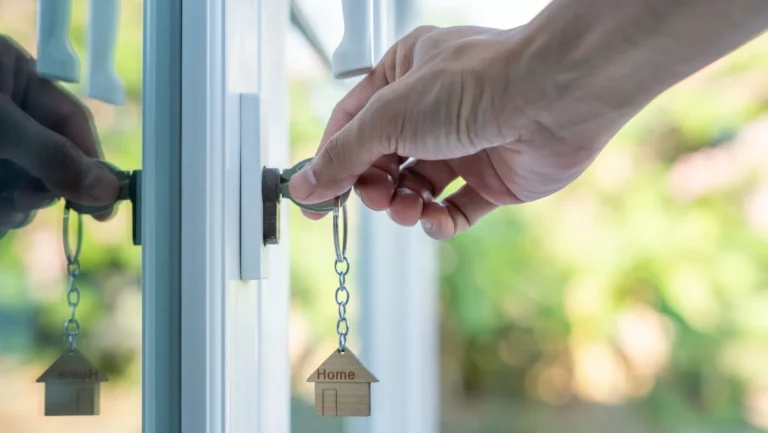
I was skeptical about smart locks at first — felt like an unnecessary gadget. But after locking myself out twice with a traditional key, I switched, and honestly, the convenience alone justifies the cost for most households.
Also read: How to Secure Your Home Without a Security System
[link to related guide about secure home without alarm system here]
Motion Sensors and Alerts
Quick answer: Motion sensor alerts reduce false alarms significantly compared to older systems by using AI-based detection that distinguishes between people, pets, and passing vehicles.
Local Storage vs Cloud Storage
This is a genuine trade-off. Cloud storage means your footage survives even if someone steals the camera itself, but it usually comes with a monthly subscription. Local storage (SD card or hub) is one-time cost but vulnerable if the device is tampered with.
Integration With Existing Smart Home Devices
If you already use smart lighting or a voice assistant, check compatibility before buying a security system. Mismatched ecosystems mean juggling multiple apps, which gets old fast.
Budget Considerations
You don’t need to spend a fortune. A solid starter setup — one doorbell camera, one indoor camera, and a smart lock — covers most of what a break-in actually targets, for a reasonable mid-range budget.
Professional Monitoring: Worth It or Not?
For most homes, self-monitoring via app alerts is sufficient. Professional monitoring services make more sense for larger properties or when you travel frequently and can’t check alerts yourself.
Suggested image alt text: “best smart home security systems 2026 doorbell camera and app”
FAQ
Q: What’s the most important feature in a smart security system? Reliable motion detection with low false alarms — everything else is secondary if this doesn’t work well.
Q: Do smart security cameras work during power cuts? Only if they have battery backup; check this specifically if power cuts are common in your area.
Q: Is cloud storage necessary for home security cameras? Not essential, but it protects your footage if the camera itself is stolen or damaged.
Q: How much does a basic smart security setup cost in 2026? Entry-level setups start around ₹8,000-15,000 for a doorbell camera and one indoor unit.
Q: Can smart locks be hacked? Any connected device carries some risk, but reputable brands use encryption that makes this genuinely difficult for casual intruders.
Conclusion
The best smart home security systems in 2026 aren’t necessarily the most expensive ones — they’re the ones that fit how you actually live. Start with a doorbell camera if budget’s tight, then expand from there. Home security doesn’t need to be complicated to be effective.