Not everyone wants to pay a monthly subscription just to feel safe at home. If that’s you, the good news is you can genuinely learn how to secure home without alarm system costs using habits and low-cost fixes instead.
I know a few families who’ve done exactly this for years without issue.
Start With the Basics: Locks and Doors
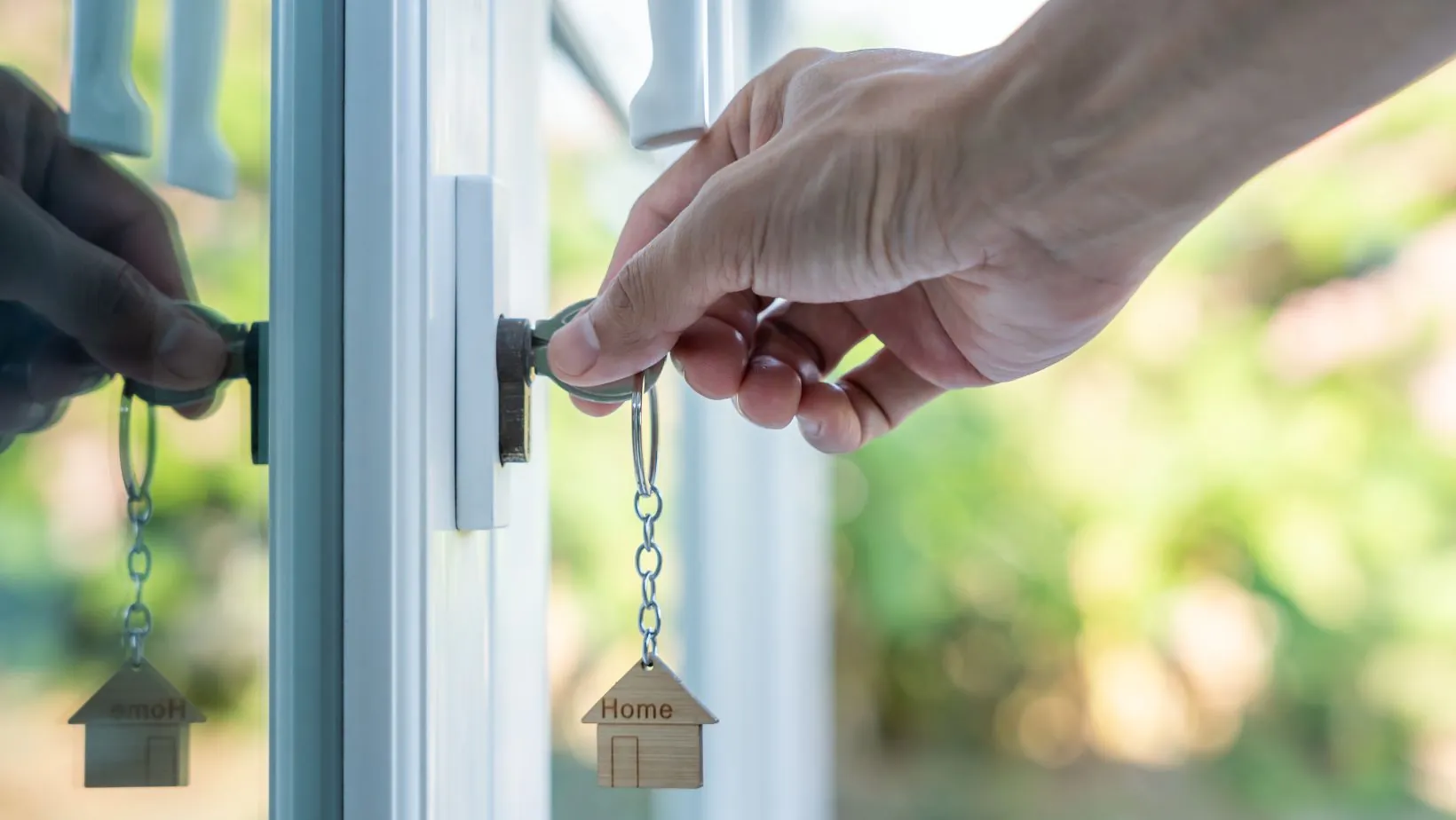
Quick answer: The single biggest security improvement most homes can make without any tech is upgrading to deadbolt locks on all exterior doors — a step that stops the majority of forced-entry attempts.
Windows Are the Overlooked Weak Point
People obsess over front doors and forget ground-floor windows are often easier targets. Simple window locks and security film (which prevents easy shattering) go a long way for very little cost.
- Add secondary window locks
- Use security film on ground-floor glass
- Keep windows closed when leaving, even briefly
Lighting Does More Than You’d Expect
A well-lit exterior is one of the cheapest deterrents there is. Motion-activated lights near entry points make would-be intruders think twice — most prefer targets where they won’t be seen.
[link to related guide about seasonal home maintenance checklist here]
Build Relationships With Neighbors
This sounds old-fashioned, but it genuinely works. A neighbor who notices an unfamiliar face lingering near your gate is a security system that costs nothing.
Quick answer: Homes in neighborhoods with active neighbor communication report fewer break-ins, since unfamiliar activity gets noticed and reported faster than in disconnected communities.
Don’t Advertise You’re Away
Skip the social media posts about your vacation until after you’re back. It sounds obvious, but it’s one of the most common ways people unintentionally signal an empty home.
Landscaping Choices Matter
Overgrown bushes near windows and doors give intruders cover. Keep them trimmed, especially near entry points. [link to related guide about low-maintenance garden ideas here]
A Dog Is a Genuine Deterrent
Even a small dog barking at strangers puts off most opportunistic intruders — they’re looking for quiet, low-risk targets, not confrontation.
Reinforce the Weakest Entry Point
Every home has one — a side door, a garage entry, a low fence section. Identify yours honestly and reinforce it specifically rather than spreading effort evenly everywhere.
Suggested image alt text: “secure home without alarm system motion sensor light entrance”
FAQ
Q: Can a home really be secure without any security system? Yes — locks, lighting, and awareness cover most of what causes break-ins; a system adds monitoring, not fundamental security.
Q: What’s the cheapest way to improve home security? Motion-activated exterior lighting is one of the lowest-cost, highest-impact options available.
Q: Do window locks actually make a difference? Yes, ground-floor windows are commonly targeted, and secondary locks meaningfully slow down or deter entry attempts.
Q: Is a fake security camera a good deterrent? It can help somewhat, but real deterrents like good locks and lighting matter more than the illusion of monitoring.
Q: How important is a dog for home security? Genuinely useful — barking alone is often enough to redirect an intruder to an easier target.
Conclusion
You don’t need a subscription-based system to feel safe at home. Learning to secure home without alarm system costs comes down to consistent habits — good locks, smart lighting, trimmed landscaping, and a bit of community awareness. Start with your weakest entry point this week; it’s usually the fastest fix with the biggest payoff.