Making Everyday Life Easier With Reliable Hot and Cold Water Solutions
Water plays a bigger role in home comfort than most of us realize. We notice it when the shower takes too long to warm up, when the kitchen tap delivers an inconsistent temperature, or when there’s no convenient way to get a refreshing drink during a busy afternoon. These moments may seem minor, but reliable water equipment can make daily routines smoother and more comfortable.
Choosing the right equipment isn’t simply about buying the newest model. It’s about understanding how your household uses water, what your space can accommodate, and how much maintenance you’re willing to handle. From heating systems to convenient drinking-water options, a little research can help you make a decision that works for years rather than just a few months.
Finding the Right Water Heating Solution
A dependable hot water supply makes a difference throughout the day. Families use hot water for showers, washing dishes, laundry, and cleaning, sometimes all within a short period. When a system struggles to keep up, the inconvenience becomes obvious pretty quickly.
Related home guide: Finding the Right Water Softener: What to Compare Before You Buy →
Traditional water heaters generally store a quantity of heated water in an insulated tank, keeping it available when needed. These systems are familiar to many homeowners and can be a practical choice where installation space, household demand, and the existing plumbing setup suit a storage model.
The capacity of the tank matters. A small unit may run out of hot water when several people shower one after another, while an oversized model can take up unnecessary space and may use more energy than the household needs. Consider the number of occupants, peak usage times, and the flow rates of showers and other fixtures before selecting a size.
Energy source is another important consideration. Depending on the property and local availability, systems may use electricity, natural gas, or other approved energy sources. Installation requirements and running costs vary, so compare the full cost of ownership rather than focusing only on the purchase price.
Are Tankless Models Worth Considering?
Some households prefer a system that heats water as it flows through the unit instead of storing a large volume in a tank. Tankless water heaters work on this principle, heating water when a tap or appliance calls for it.
One appealing feature is their compact design. Without a large storage tank, they can free up space in a utility area, cupboard, or suitable service location. They also avoid the standby heat losses associated with keeping a full tank of water hot, although overall energy savings depend on the system, fuel type, usage patterns, and installation.
There’s an important trade-off, however. A tankless unit has a limited heating capacity. If several showers and appliances demand hot water at the same time, a unit that’s too small may struggle to maintain the desired temperature or flow rate.
Cold incoming water also affects performance. In colder conditions, the system must work harder to raise the water to the selected temperature. For that reason, sizing should be based on the required temperature rise and the combined flow rate of fixtures likely to operate together.
Professional installation is essential. Gas models need appropriate venting and fuel supply, while electric models require suitable electrical capacity. Have a qualified installer assess your home before making the switch.
Think About Comfort Beyond the Bathroom
Hot water equipment gets most of the attention, but drinking water convenience matters, too. In offices, shared workspaces, workshops, and busy family kitchens, people often want chilled water without repeatedly filling bottles or relying on a refrigerator.
A convenient drinking station can encourage people to drink water throughout the day. It also makes it easier to serve visitors, refill reusable bottles, or keep a supply of cold water available during warm weather.
When comparing equipment, consider how many people will use it, where it will sit, and how often it needs to be cleaned. A model suited to a small household may not cope well with the demands of a busy workplace. Likewise, a high-capacity commercial unit could be unnecessary for a couple who mainly want chilled water at lunchtime.
A Practical Alternative to Disposable Bottles
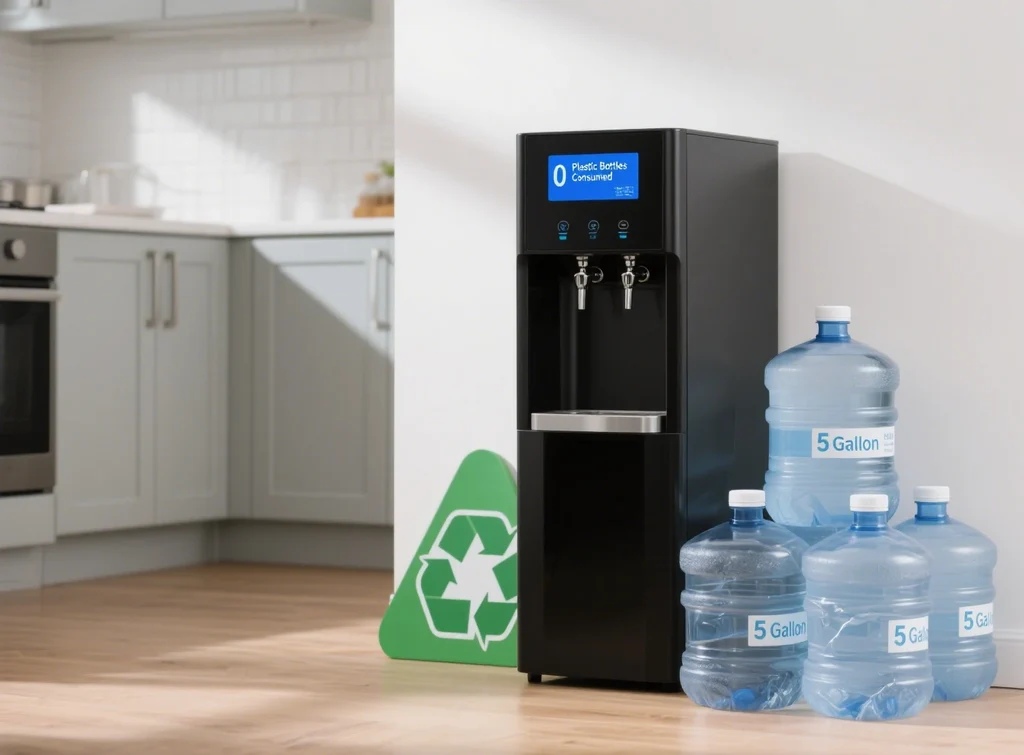
For workplaces and other shared environments, bottle-free coolers can provide chilled drinking water without requiring large refillable water bottles to be delivered and replaced. These units typically connect to a water supply and may include filtration, depending on the model.
This arrangement can reduce the need to store bulky bottles and coordinate deliveries. In a busy office, that’s one less logistical task for someone to manage. Employees and visitors can access drinking water throughout the day, while facilities teams have fewer heavy containers to move around.
The quality of the incoming water still matters. A connected cooler doesn’t automatically make every water supply safe, and filtration capabilities vary between products. Check what the included filter is certified to reduce, how often it must be replaced, and whether the unit requires regular sanitization.
Installation should account for water pressure, access to a suitable connection, drainage where needed, and enough clearance for servicing. If the cooler will serve a large number of people, ask the supplier about its dispensing rate and cooling capacity. Otherwise, the unit may struggle during lunch breaks or busy meetings.
Don’t Ignore Maintenance and Running Costs
Equipment can look impressive on installation day, but its long-term performance depends on regular care. Water heaters should be inspected according to the manufacturer’s recommendations, with particular attention to leaks, unusual noises, temperature controls, and any safety devices. In areas with hard water, mineral scale may affect certain components and reduce efficiency over time.
Never attempt repairs involving gas connections, high-voltage wiring, or pressurized components unless you’re appropriately qualified. A professional inspection can identify problems before they become expensive failures.
Drinking-water equipment needs its own maintenance routine. Filters must be replaced at the recommended intervals, and dispensing surfaces should be cleaned regularly. If a unit has been unused for an extended period, follow the manufacturer’s instructions before returning it to service.
Keep track of recurring costs, too. These may include energy, filter cartridges, servicing, and replacement parts. A low-priced model may turn out to be more expensive over several years if parts are difficult to source or maintenance is unusually demanding.
Make the Decision Around Your Household
Before purchasing anything, write down what isn’t working with your current setup. Perhaps the hot water runs out too quickly, utility space is limited, or staff members keep bringing disposable water bottles to the office. Clear priorities make it easier to compare products fairly.
Ask suppliers about warranties, installation requirements, expected maintenance, and the availability of service support. Check that the unit is suitable for your property’s plumbing and electrical or fuel supply. If energy efficiency is important, compare documented performance figures rather than relying on general claims.
It’s also sensible to plan for future needs. A growing family may require more hot water, while a workplace with expanding staff numbers could need greater drinking-water capacity. Buying equipment that matches realistic future demand can save the cost and disruption of replacing it too soon.
Small Improvements That Make a Lasting Difference
Reliable water equipment isn’t glamorous, and it rarely gets much attention when everything works as it should. Yet a consistent hot shower, an efficient heating system, and convenient access to drinking water can improve daily life in ways that become obvious once they’re missing.
Focus on capacity, suitability, energy use, installation quality, and maintenance rather than choosing a product solely because it’s popular. With the right information and professional advice, you can create a setup that fits your space, supports your routine, and delivers dependable performance for the long term.
Explore more: Home Improvement · Renovations · Maintenance · Plumbing · Decorating ·

